How To Argue
March 22, 2026Pastor Patrick presented today's message, "How To Argue." A video of today's message is here on YouTube. It may help to be familiar with the message but that is not required to enjoy the thoughts below.
 The following paragraphs are some other Proverbs from which James may have gotten inspiration for his writing in James 1:19-20: My dear brothers and sisters, take note of this: Everyone should be quick to listen, slow to speak and slow to become angry, because human anger does not produce the righteousness that God desires.
Proverbs 17:27-28: A man of knowledge restrains his words, and a man of understanding maintains a calm spirit. Even a fool is considered wise if he keeps silent, and discerning when he holds his tongue.
Proverbs 10:19: When words are many, sin is unavoidable, but he who restrains his lips is wise.
Proverbs 15:1: A gentle answer turns away wrath, but a harsh word stirs up anger.
Proverbs 14:29: A patient man has great understanding, but a quick-tempered man promotes folly.
Proverbs 16:32: He who is slow to anger is better than a warrior, and he who controls his temper is greater than one who captures a city.
Proverbs 29:11: A fool vents all his anger, but a wise man holds it back.
Proverbs 18:13: He who answers a matter before he hears it — this is folly and disgrace to him.
Proverbs 19:11: A man's insight gives him patience, and his virtue is to overlook an offense.
Proverbs 12:16: A fool's anger is known at once, but a prudent man overlooks an insult.
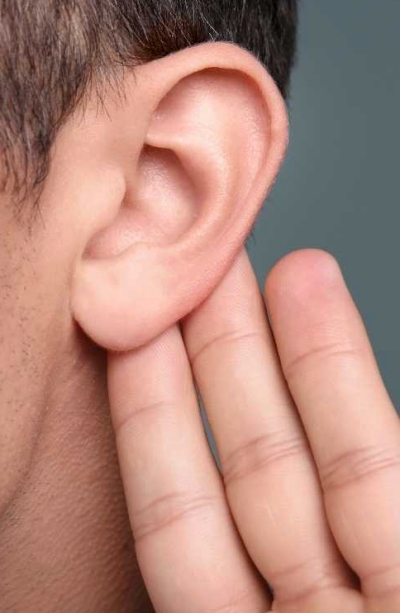
 It's interesting to note that the Hebrew word for listen, azan (אָזַן) has an ancient component of "broadening the ear," spreading it out or pointing it in order to hear as best possible. In other words, really listen! Some translate the verb as "pay attention."
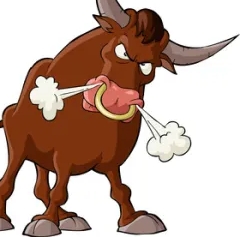
Also interesting is one Hebrew word used for anger/wrath: af (אַף). The word also involves the nostrils. Flaring nostrils indicate anger. The word is used in Proverbs 14:29 above (patient = slow to wrath). It's also true that people who know horses will tell you that their nostrils can be "read" for emotions or states the horse is experiencing.
Bonus
Passover and the Seder
 Passover, the Jewish celebration of the exodus from Egypt, runs from April first through the ninth this year. The Seder, the big celebration meal, is held on the first and/or second night of Passover depending on whether you live inside Israel (first night only) or outside Israel (first and/or second night). So, American Seders will occur mostly on the nights of April 1st and 2nd.
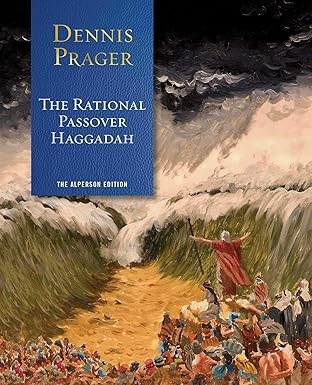
If you're looking for a Seder program guide in order to do a Seder yourself, we've found Prager's The Rational Passover Haggadah very workable, and fun. It's enough of a party that you might want to invite some friends or neighbors to join! The kids love it (asking every year at this time when we're going to have the Seder), and the guests we've had over the years seem to enjoy it, too. We've got to schedule it so the grown-up kids can be there, too. The 29th was picked so everyone could attend, including a couple guests.
We'll be having our Seder the afternoon of March 29. It'll be a brisket meal this year, and instead of kugels as we've had the past couple years, Nana has a tiny potato thing with sour cream and ranch dressing in the works. Ever hear of a matzah cake?! Well, that's on the agenda, too. Which of many varieties of matzah cake has yet to be determined.


Here's a more detailed rundown of our family's Passover Seder in 2022.